October 05, 2023
Foundation models and the privatization of public knowledge
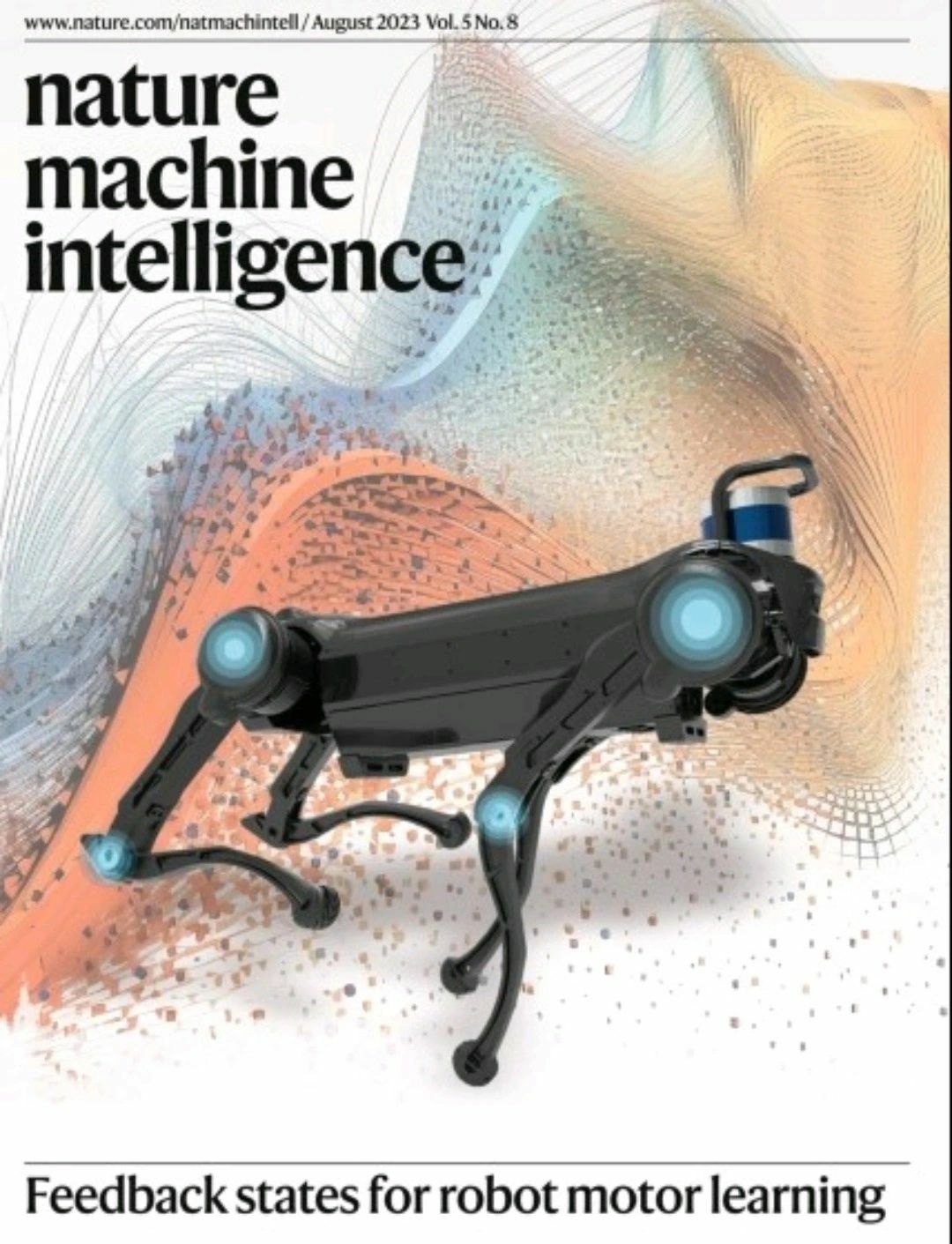
To protect the integrity of knowledge production, the training procedures of foundation models such as GPT-4 need to be made accessible to regulators and researchers. Foundation models must become open and public, and those are not the same thing", writes AlgoSoc PI José van Dijck with researchers Fabian Ferrari and Antal van den Bosch in the September issue of Nature Machine Intelligence.
Their article discusses concerns surrounding ChatGPT, an AI developed by OpenAI. These concerns encompass safety, plagiarism, bias, and accuracy, with a particular focus on how large language models (LLMs) owned by private entities may impact knowledge production. The authors notes that OpenAI, despite its nonprofit origins, has transformed partly into a capped-profit company with Microsoft as a major investor. The issue of whether regulators and scientists will have access to the inner workings of deep neural networks, including their training data and procedures, remains under-addressed. The lack of transparency could hinder thorough inspection, replication, and testing, potentially compromising the integrity of public knowledge.
In their article, Van Dijck et al. also examine the training data and procedures of foundation models like GPT-4 and PaLM. While some information is available about the datasets used, details about their specific composition and sources remain undisclosed. The author highlights that making foundation models open and public is crucial. "Open" refers to making them available for detailed inspection and replication, while "public" implies treating them as utilities accessible to all. Van Dijck et al. suggest that ensuring transparency, implementing technical safeguards, and enacting legal and regulatory measures are essential steps. Moreover, they emphasize the need for improved AI literacy among citizens to foster a democratic understanding of these technologies in the context of knowledge creation.
Cite this article: Ferrari, F., van Dijck, J. & van den Bosch, A. Foundation models and the privatization of public knowledge. Nat Mach Intell 5, 818–820 (2023). https://doi.org/10.1038/s42256...
Author

Synergy / Synergy leader
Prof. dr. José van Dijck
Distinguished university professor of media and digital society / Utrecht University
University Profile

More results /
 The 2026 Stevin Prize: Claes de Vreese and his academic journey
By Claes de Vreese • October 07, 2026
By Ernesto de León • Claes de Vreese • September 17, 2026
By Natali Helberger • June 16, 2026
 Onderzoekers waarschuwen: AI-gebruik kan ‘rechterlijke blik’ vertroebelen
By Iris van Domselaar • Isabella Banks • October 01, 2026
By Iris van Domselaar • Isabella Banks • September 23, 2026
By Tynke Schepers • July 09, 2026
 Fairy Tales That Make Life Harder: AI, and the social and ethical costs of believing in it
By Martijn Logtenberg • September 28, 2026
By Martijn Logtenberg • March 13, 2026
By Martijn Logtenberg • November 20, 2025
 The Label Paradox: Can AI transparency create more distrust?
By Natali Helberger • September 21, 2026
By Jin Wan • Theo Araujo • Natali Helberger • Claes de Vreese • September 17, 2026
By João Pedro Quintais • September 03, 2026
