April 01, 2026
Artificial Intentions: Winner’s Inherently Political Artifacts, AI and Government
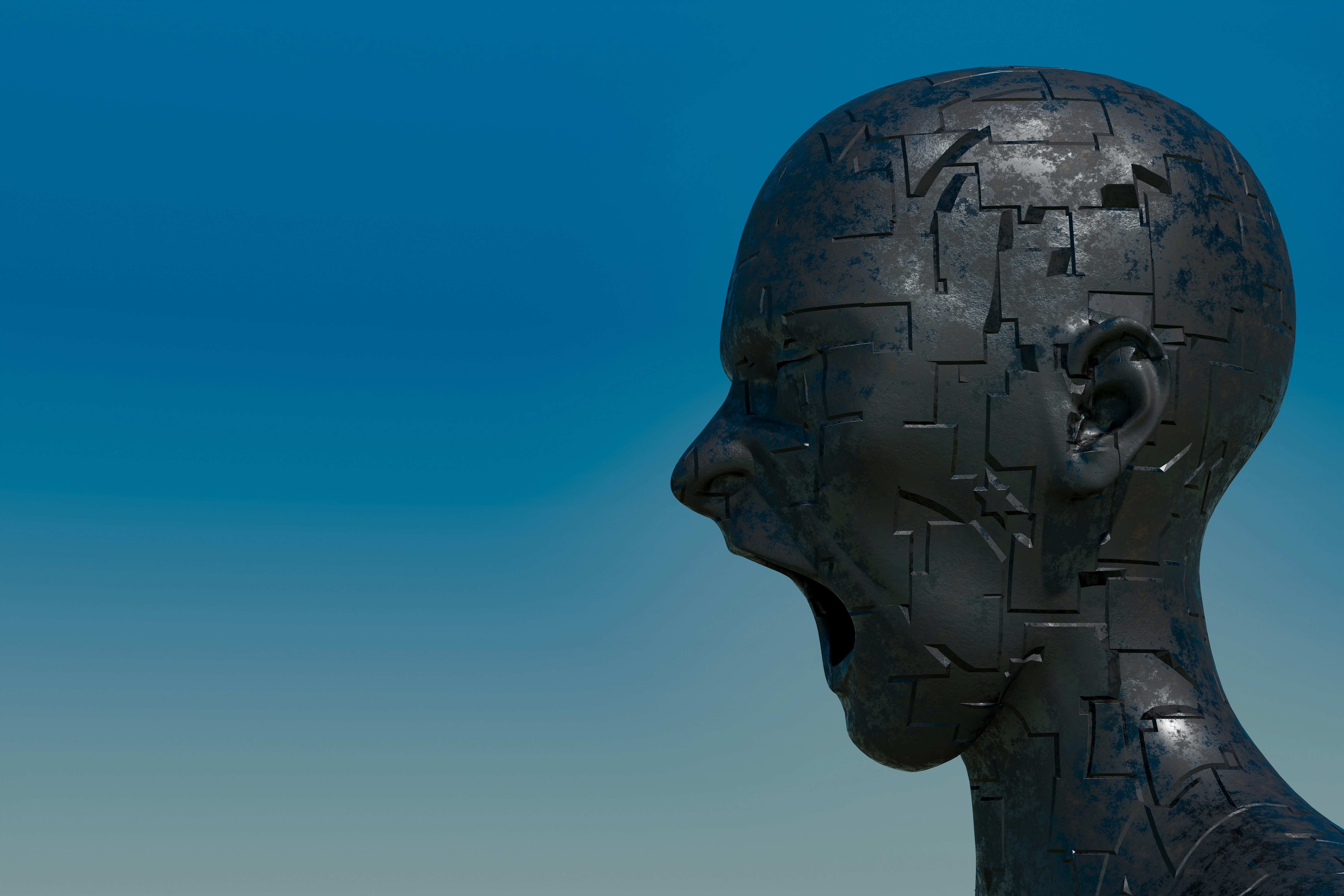
This paper applies Langdon Winner’s theory of technological politics to AI in government, arguing that AI is not merely a tool but also creates demand for particular forms of data, expertise, infrastructure, and governance. Recognizing AI’s inherent political character is essential for protecting public values and preventing public–private partnerships from deepening private-sector power and existing inequalities.
Abstract
In his renowned paper Do Artifacts Have Politics?, Langdon Winner (Daedalus, 109(1), 121–136, 1980) ascribes two political qualities to technological artifacts. Firstly, Winner shows that technological artifacts can be used to settle social or political problems, and can thereby structure social relations, reinforce vested interests, and engineer human relations (i.e., politicized artifacts). Winner also discusses a second political quality of artifacts, arguing that some technological artifacts practically require or strongly attract a specific set of social and political conditions to operate (i.e., inherently political artifacts). We apply the insights from Winner’s theory on the politics of artifacts to the use of artificial intelligence (AI) within government and argue that Winner’s thought-provoking analysis of inherently political artifacts deserves more attention. Analysing how AI is and can be politicized helps us to see what social or political problems AI can assist governments in solving and how it may do so with important public values in mind (e.g., value-sensitive design). Dissecting the inherent politics of AI enriches our understanding of how AI’s need for data, expertise, and infrastructure, requires a new, horizontally-orientated governance structure, while also attracting public-private partnerships and pre-sorting certain environmental and labor conditions. Recognizing the inherently political character of AI is necessary to be able to resist the increasing power of the private sector in government. This article provides new insights into how the socio-political arrangements that artifacts attract may threaten key public values and entrench existing power inequalities.
To continue reading please visit: https://doi.org/10.1007/978-3-032-17371-3_2
This article is a chapter in Arrangements of Power: Tracing Langdon Winner’s Legacy Within and Beyond the Philosophy of Technology, published on 1 April 2026.
Keymolen, E., van der Haak, D. (2026). Artificial Intentions: Winner’s Inherently Political Artifacts, AI and Government. In: Fox, A., Cressman, D. (eds) Arrangements of Power: Tracing Langdon Winner’s Legacy Within and Beyond the Philosophy of Technology. Philosophy of Engineering and Technology, vol 50. Springer, Cham. https://doi.org/10.1007/978-3-032-17371-3_2
Keywords: Artificial intentions, Politicized artifacts, Political artifacts, AI governance, Winner
Authors

Justice
Prof. dr. Esther Keymolen
Professor of digital technology regulation / Tilburg University
University Profile



More results /
 The 2026 Stevin Prize: Claes de Vreese and his academic journey
By Claes de Vreese • October 07, 2026
By Ernesto de León • Claes de Vreese • September 17, 2026
By Natali Helberger • June 16, 2026
 Onderzoekers waarschuwen: AI-gebruik kan ‘rechterlijke blik’ vertroebelen
By Iris van Domselaar • Isabella Banks • October 01, 2026
By Iris van Domselaar • Isabella Banks • September 23, 2026
By Tynke Schepers • July 09, 2026
 Fairy Tales That Make Life Harder: AI, and the social and ethical costs of believing in it
By Martijn Logtenberg • September 28, 2026
By Martijn Logtenberg • March 13, 2026
By Martijn Logtenberg • November 20, 2025
 The Label Paradox: Can AI transparency create more distrust?
By Natali Helberger • September 21, 2026
By Jin Wan • Theo Araujo • Natali Helberger • Claes de Vreese • September 17, 2026
By João Pedro Quintais • September 03, 2026
