January 02, 2025
The Violence of Algorithmic Systems in Social Policy in Colombia: (Re) Localising the Digital Welfare State in the Postcolonial Context

This chapter analyses the case of Sisben and the Household Social Registry used by the Colombian state to define who is eligible for social rights. The chapter argues that these systems are not simply a product of technological determinism but reflect the historical tendencies of structural violence in Colombia.
Abstract
While global research on digital technology in social security often spotlights nations in the Global North, this chapter directs attention to the postcolonial context. The chapter traces the history of the Sisben system, used to classify communities in the 1990s, to the Household Social Registry, which is currently used to select beneficiaries for social programs. The chapter argues that these systems have been used to depoliticise the claims of marginalised communities and to render their social rights as a product of benevolence or good luck. The chapter concludes by arguing that the Colombian case shows that the datafication of social programs is not simply a product of a surveillance state or the mindless implementation of digital technologies, but rather it is a complex phenomenon that reflects the historical and political contexts. By offering a localised perspective, this chapter seeks to pluralise the discourse and counter universalist claims, ultimately advocating for localised actions of resistance against systemic violence.
To continue reading please visit: https://doi.org/10.4324/9781003395966-8
This book chapter was published in Critical ICT4D (Information and Communication Technologies for Development) on 2 January 2025.
Lopez-Solano, J. (2025). The Violence of Algorithmic Systems in Social Policy in Colombia: (Re) Localising the Digital Welfare State in the Postcolonial Context. In Critical ICT4D (Information and Communication Technologies for Development). Routledge. https://doi.org/10.4324/9781003395966-8
Keywords: Social policy, welfare
Author


More results /
 The 2026 Stevin Prize: Claes de Vreese and his academic journey
By Claes de Vreese • October 07, 2026
By Ernesto de León • Claes de Vreese • September 17, 2026
By Natali Helberger • June 16, 2026
 Onderzoekers waarschuwen: AI-gebruik kan ‘rechterlijke blik’ vertroebelen
By Iris van Domselaar • Isabella Banks • October 01, 2026
By Iris van Domselaar • Isabella Banks • September 23, 2026
By Tynke Schepers • July 09, 2026
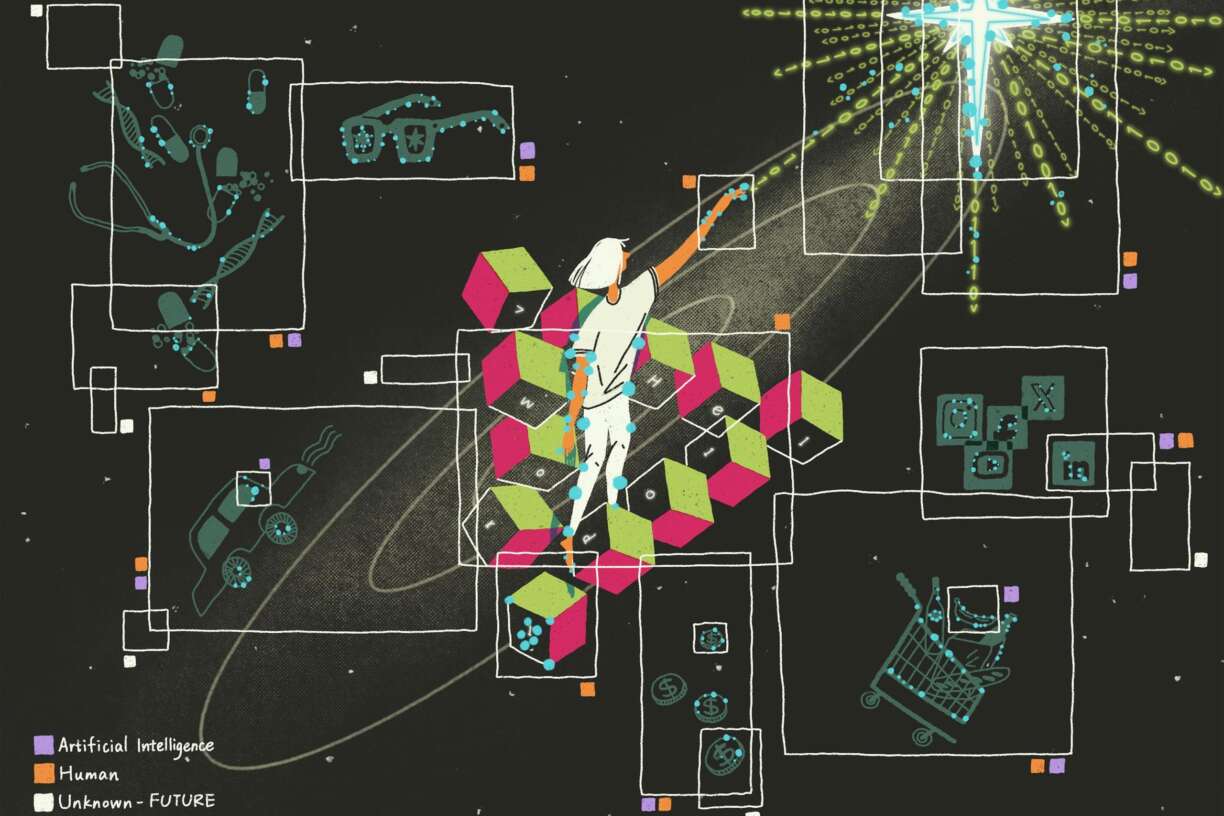 Fairy Tales That Make Life Harder: AI, and the social and ethical costs of believing in it
By Martijn Logtenberg • September 28, 2026
By Martijn Logtenberg • March 13, 2026
By Martijn Logtenberg • November 20, 2025
 The Label Paradox: Can AI transparency create more distrust?
By Natali Helberger • September 21, 2026
By Jin Wan • Theo Araujo • Natali Helberger • Claes de Vreese • September 17, 2026
By João Pedro Quintais • September 03, 2026
