December 28, 2025
Filter bubbles
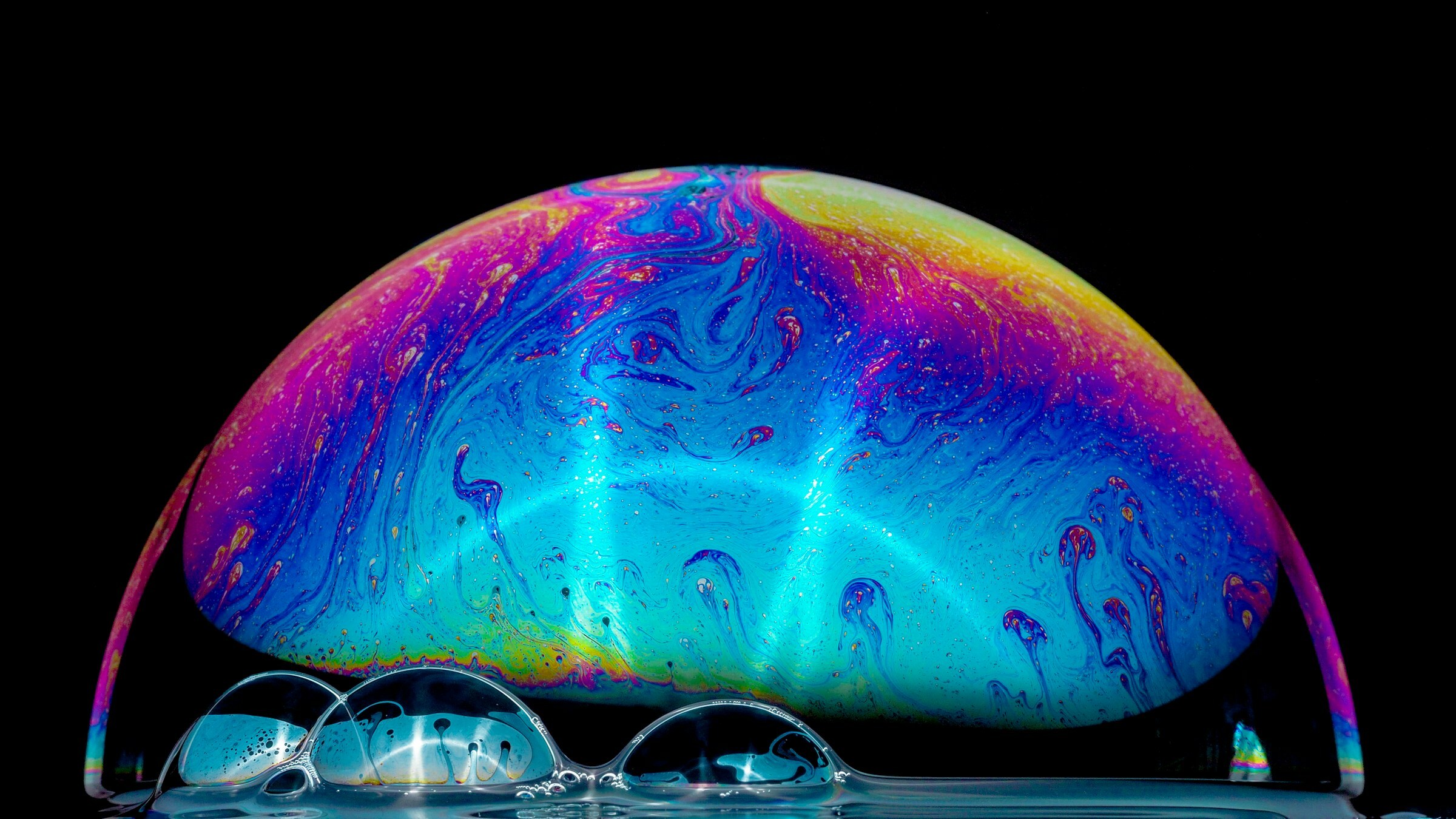
This entry explores the concept of filter bubbles, a digital phenomenon where algorithmic content curation leads to a personalized information experience for the user.
Originating from Pariser in 2011, the filter bubble theory posits that personalization on digital platforms, particularly through recommender systems powered by machine learning, might limit individuals’ exposure to diverse content and viewpoints. This, in turn, could have significant repercussions, including polarization, radicalization, and the fragmentation of the public sphere. Notwithstanding its extensive discussion in media and political dialogues, empirical evidence questioning the existence and impact of filter bubbles suggests a more complicated picture. The entry draws distinctions between filter bubbles and related concepts like echo chambers, examines the implications on democratic discourse, and reviews methodologies employed in studying this phenomenon, alongside a critical evaluation of its debated effects on societal cohesion and information diversity.
To continue reading please visit: https://doi.org/10.4337/9781035301447.vol2.00012
This book chapter was published in the Elgar Encyclopedia of Political Communication on 28 December 2025.
Miotto, M., Wan, J., & Votta, F. A. (2025). "Filter bubbles". In Elgar Encyclopedia of Political Communication. Cheltenham, UK: Edward Elgar Publishing. https://doi.org/10.4337/9781035301447.vol2.00012
Keywords: Filter Bubble; Selective Exposure; Echo Chambers; Recommender Systems; Information Diversity; Personalization
Authors


See also

Rethinking European media infrastructures
By Corinne Cath • Agustin Ferrari Braun • Seda Gürses • July 13, 2026
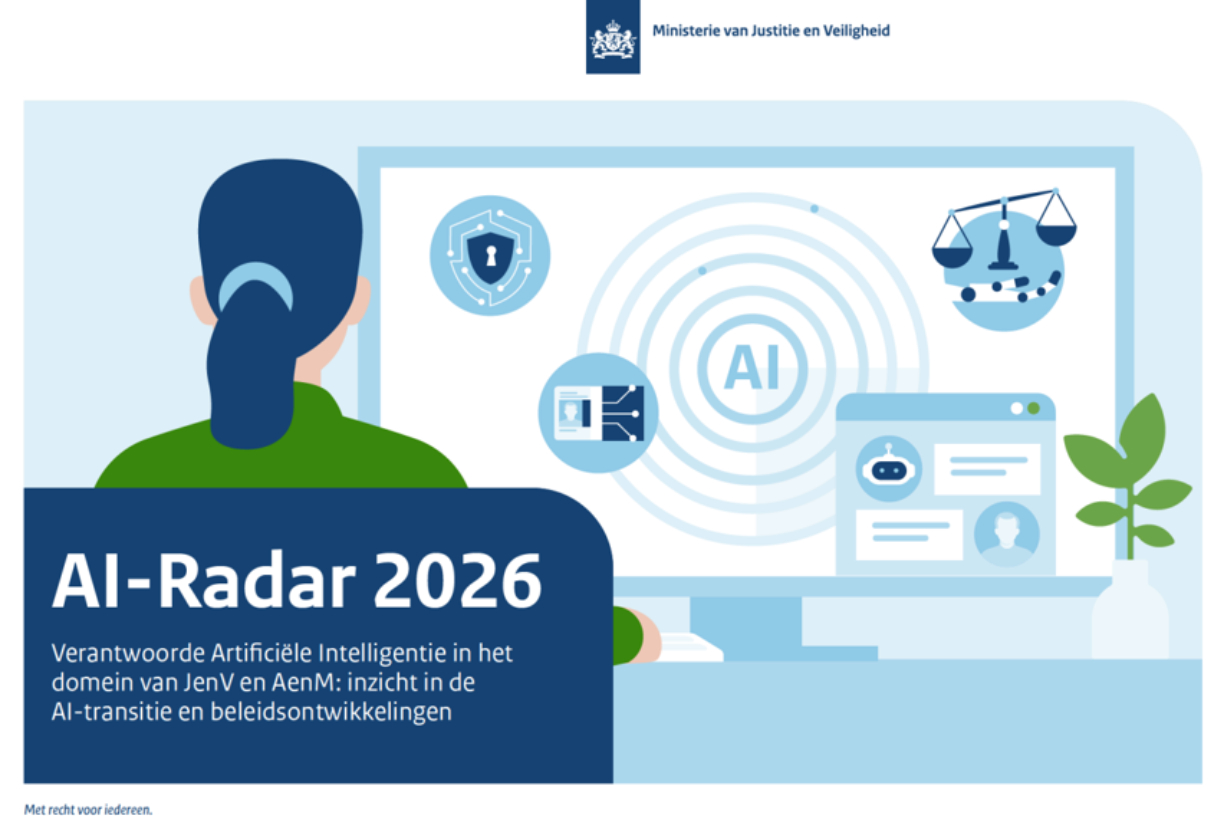
Reflections on the AI-Radar 2026
By Tynke Schepers • July 09, 2026
Understanding AI transparency
By Natali Helberger • Marilù Miotto • March 09, 2026
More results /
 The 2026 Stevin Prize: Claes de Vreese and his academic journey
By Claes de Vreese • October 07, 2026
By Ernesto de León • Claes de Vreese • September 17, 2026
By Natali Helberger • June 16, 2026
 Onderzoekers waarschuwen: AI-gebruik kan ‘rechterlijke blik’ vertroebelen
By Iris van Domselaar • Isabella Banks • October 01, 2026
By Iris van Domselaar • Isabella Banks • September 23, 2026
By Tynke Schepers • July 09, 2026
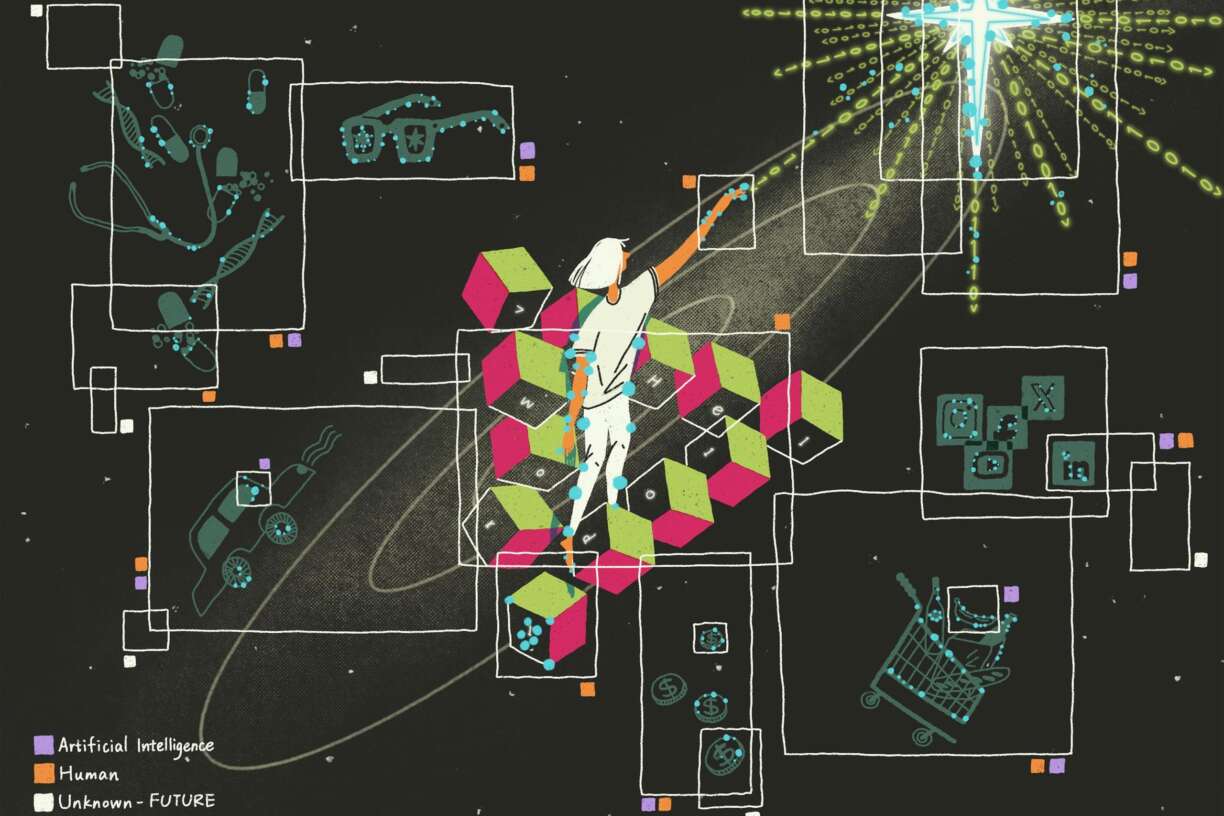 Fairy Tales That Make Life Harder: AI, and the social and ethical costs of believing in it
By Martijn Logtenberg • September 28, 2026
By Martijn Logtenberg • March 13, 2026
By Martijn Logtenberg • November 20, 2025
 The Label Paradox: Can AI transparency create more distrust?
By Natali Helberger • September 21, 2026
By Jin Wan • Theo Araujo • Natali Helberger • Claes de Vreese • September 17, 2026
By João Pedro Quintais • September 03, 2026
