May 15, 2025
Misperceptions of Public Opinion During Crises: Evidence from the COVID-19 Pandemic
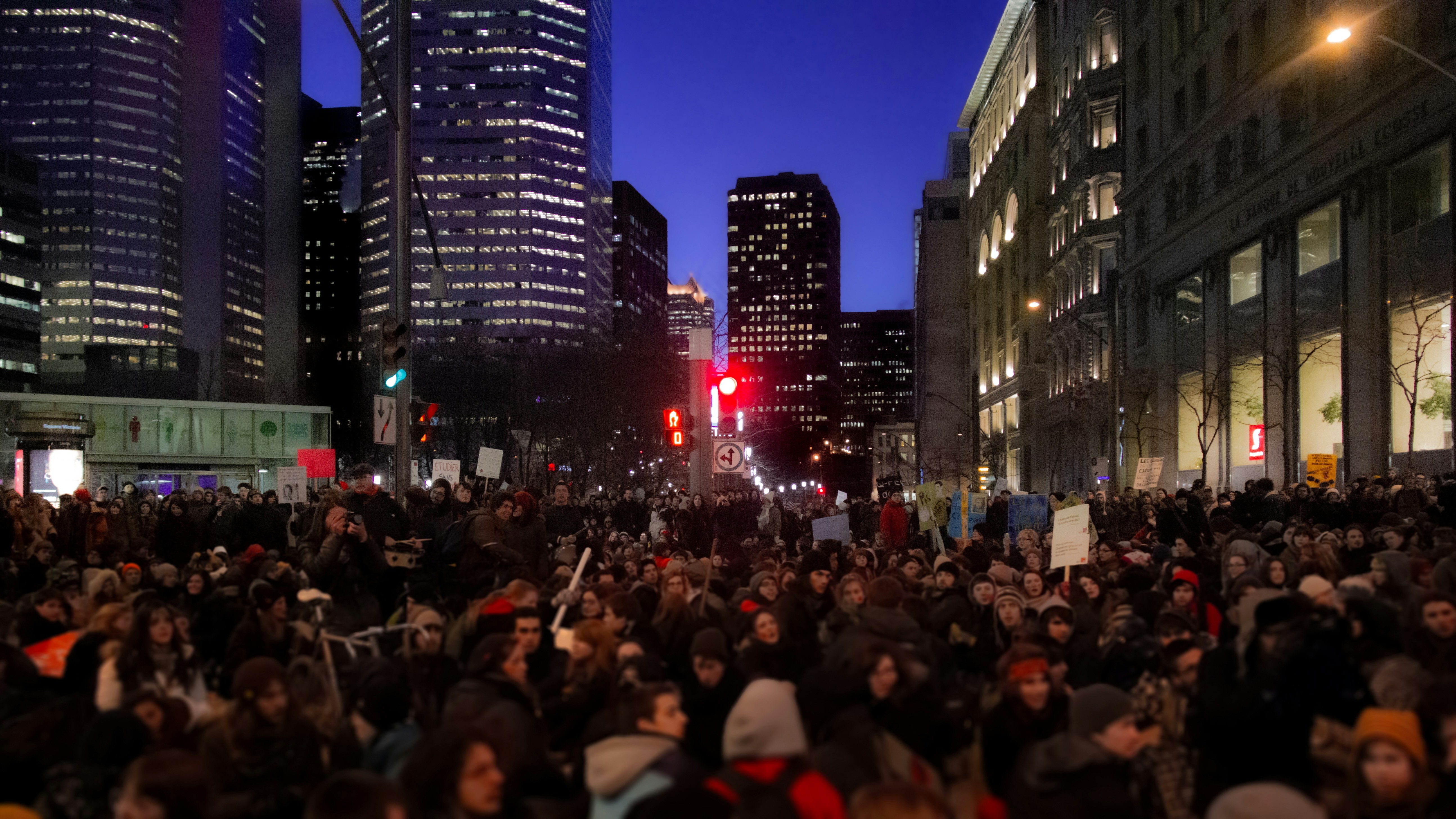
How we perceive the public opinion climate can have important consequences on our own opinions and behaviors. Such perceptions are especially relevant during moments of widespread crisis, as they may influence support and compliance with crisis response measures.
Abstract
In this paper, we address what factors inform misperceptions of public opinion during these important moments. We focus on two complementary processes, internal and external crisis information processing, to explain variation in public opinion misperceptions of three measures during the COVID-19 pandemic (masking, use of a contact tracing app, and vaccination). Analyses of 82 weekly waves of longitudinal rolling cross-sectional surveys of the Swiss population during two years of the pandemic (N = 36,667) demonstrate that individuals regularly underestimated the popularity of these measures. We find that those who were in the opinion minority (usually those strongly opposed to these measures) had less accurate estimations of public opinion. News media played an important role for misperceptions. When it comes to the correction of misperceptions, individuals reporting to be regular news readers were more likely to have more accurate perceptions of public opinion. Combining the survey data with measures of media salience across news media published during this period, ARIMA time series modeling shows that the salience of measures in the media affects public opinion misperceptions for app usage and masking. Implications for the field of political communication are discussed both in the context of the COVID-19 pandemic, and for crises more generally.
To continue reading please visit: https://doi.org/10.1080/10584609.2025.2502401
This open access article was published in Political Communication on 15 May 2025.
de León, E., Geber, S., Vogler, D., Siegen, D., Eisenegger, M., & Friemel, T. (2025). Misperceptions of Public Opinion During Crises: Evidence from the COVID-19 Pandemic. Political Communication, 42(6), 1015–1036. https://doi.org/10.1080/10584609.2025.2502401
Keywords: Misperceptions, public opinion, social norms, media effects, longitudinal analysis, COVID-19, public health
Author

See also

Tracing Knowledge Gaps: Investigating the Influence of Education on News Exposure and Knowledge Using Digital Trace Data
By Ernesto de León • May 18, 2025
Emerging generational fault lines in public opinion on Artificial Intelligence
By Ernesto de León • Fabio Votta • Theo Araujo • Claes de Vreese • May 17, 2024
Hyperpartisan, Alternative, and Conspiracy Media Users: An Anti-Establishment Portrait
By Ernesto de León • March 15, 2024
More results /
 The 2026 Stevin Prize: Claes de Vreese and his academic journey
By Claes de Vreese • October 07, 2026
By Ernesto de León • Claes de Vreese • September 17, 2026
By Natali Helberger • June 16, 2026
 Onderzoekers waarschuwen: AI-gebruik kan ‘rechterlijke blik’ vertroebelen
By Iris van Domselaar • Isabella Banks • October 01, 2026
By Iris van Domselaar • Isabella Banks • September 23, 2026
By Tynke Schepers • July 09, 2026
 Fairy Tales That Make Life Harder: AI, and the social and ethical costs of believing in it
By Martijn Logtenberg • September 28, 2026
By Martijn Logtenberg • March 13, 2026
By Martijn Logtenberg • November 20, 2025
 The Label Paradox: Can AI transparency create more distrust?
By Natali Helberger • September 21, 2026
By Jin Wan • Theo Araujo • Natali Helberger • Claes de Vreese • September 17, 2026
By João Pedro Quintais • September 03, 2026
